
Africa is a continent full of different cultures, traditions, and communities, each with its own story. Some tribes and ethnic groups have become well known for their strong presence in business, trade, politics, and other areas that have contributed to their wealth and influence.
Wealthy African tribes serve as economic engines, propelling development and expansion on the African continent. Their economic success can promote growth in adjacent nations through trade, investment, and infrastructure projects.
However, in this article, we will be highlighting some of the top known and richest tribes in Africa.
Read Also: Top 8 Most Educated Tribes In Zambia for 2026
Top 8 Richest Tribes In Africa
1. Igbo (Nigeria)
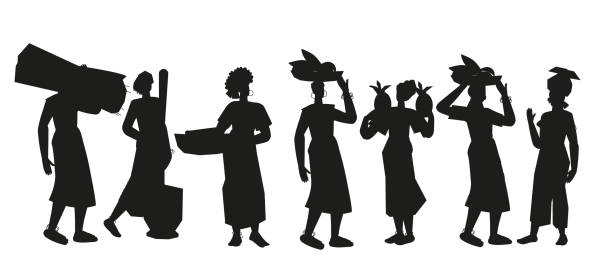
The first on my list of richest tribes in Africa are the Igbos. The Igbo people of Nigeria are widely recognised as one of the most economically influential and prosperous ethnic groups in Africa, driven by a powerful culture of entrepreneurship, commerce, and self-reliance.
The Igbo homeland features major trading and manufacturing centres like the Onitsha main market, one of West Africa’s largest markets, and Nnewi and Aba, which are famous for local manufacturing and craftsmanship.
In other words, the Igbo people have a massive diaspora footprint across West Africa and the rest of the world, dominating import-export networks, retail plazas, and international trade from China to Europe.
2. Yoruba (Nigeria)
The Yoruba tribe is considered one of the wealthiest ethnic groups in Africa due to its dominance in commerce, corporate leadership, and control of the economic powerhouse of Lagos, which got them ranking second in this list of richest tribes in Africa.
The Yoruba homeland includes Lagos, the financial and commercial capital of Nigeria, which generates a massive portion of the nation’s economy.
However, the Yoruba embraced Western education early, leading to a strong presence of professionals, civil servants, and corporate executives across West Africa.
Prominent business moguls like Mike Adenuga, Femi Otedola, and Folorunsho Alakija hail from this community.
3. Pedi (South Africa)
Pedi are Bantu-speaking people primarily situated in Limpopo, Gauteng and northern Mpumalanga. Their traditional territory, called Bopedi, lies in northeastern South Africa between the Olifants and Steelpoort rivers.
Around 1650, Pedi groups settled near Steelpoort and later built a powerful kingdom under leadership like Chief Thulare by 1800, controlling critical trade routes from the interior to the Mozambique coast.
According to South African Tourism, their economy primarily depends on their livestock rearing and agricultural resources. Cattle, goats, and sheep are believed to represent wealth and status.
4. Suri (Ethiopia)
The Suri tribe of Ethiopia and South Sudan is considered rich in traditional pastoral wealth, meaning their status and fortune are measured by the number of cattle they own rather than modern financial currency.
In Suri culture, cattle, goats, and sheep represent primary wealth. A man’s social standing and ability to marry depend directly on the size of his livestock.
And beyond herding, they practice flood-retreat agriculture along the riverbanks, growing sorghum, maize, and beans to sustain themselves in the remote Omo Valley.
5. Hausa-Fulani (Nigeria)
The Hausa-Fulani are ranked among the richest and most influential combined ethnic groups in Africa due to their massive population, historical dominance in trade, and control over large-scale agriculture and political leadership.
The region is a primary powerhouse for West African food production, livestock rearing, and agro-allied industries.
The Hausa Fulani tribe includes some of the continent’s richest business titans, most notably Aliko Dangote, the richest man in Africa.
6. Ashanti (Ghana)
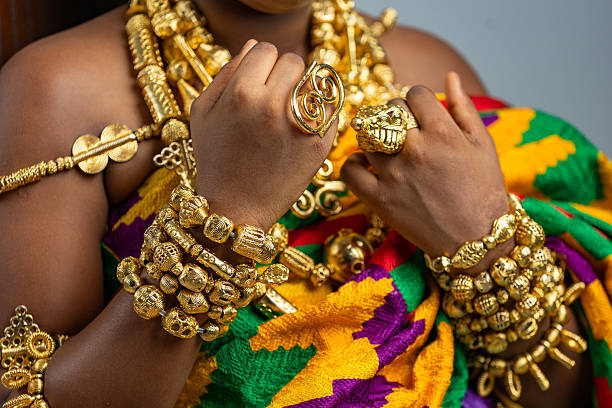
The Ashanti tribe of Ghana is historically and culturally recognised as one of the wealthiest and most powerful groups in Africa, largely due to abundant natural resources, strategic trade dominance, and a well-organised historic empire.
In other words, the Ashanti traditional homeland in modern-day Ghana was so rich in precious metals that European powers originally named the region the Gold Coast.
You will also love to know that gold dust served as standard currency, and master goldsmiths crafted intricate royal regalia, jewellery, and weights that displayed immense societal wealth, and this also ranks them high among the richest tribes in Africa.
However, today the Ashanti make up the largest ethnic group in Ghana, maintaining a strong presence in modern commerce, national politics, mining, and rich cultural traditions renowned for Kente cloth weaving and woodcarving.
7. Oromo (Ethiopia)
The Oromo people are the largest ethnic group in Ethiopia, and this tribe is ranked among the prominent lists of influential and wealthy African ethnic groups due to their vast demographic size, agricultural contributions, and economic footprint in the Horn of Africa.
The ancestral homeland of the Oromo features fertile highlands and valleys that drive Ethiopia’s robust agricultural, livestock, and grain trading sectors.
In other words, their wealth primarily comes from agriculture, with the fertile highlands and lowlands supporting the cultivation of crops such as coffee and barley.
8. Kikuyu (Kenya)
The last on my list is the Kikuyu tribe. This tribe are the largest and most economically influential ethnic group in Kenya, widely recognised for their strong entrepreneurial culture, agricultural dominance, and political presence.
This people are settled in the fertile central highlands surrounding Mount Kenya; the Kikuyu traditionally built wealth through intensive farming, cash crops like tea, coffee, horticulture, and also dairy production.
They have held significant political power, including producing multiple presidents and key policymakers who shaped modern Kenya’s economic policies.
The tribe has dominated business and politics in Kenya since independence in 1963. They are mainly known for producing high-quality farm products, such as milk, tea, coffee, potatoes and bananas. Kikuyu also ranks among the known and richest tribes in Africa.
Frequently Asked Questions (FAQs)
1. Is Yoruba richer than Igbo?
Neither the Yoruba nor the Igbo ethnic group is definitively richer, because both hold massive economic power in different sectors.
2. Which country loves Nigeria so much?
Jamaica has arguably the warmest popular affection for Nigeria.
3. What is Nigeria famous for in the world?
Nigeria is globally famous as the Giant of Africa, known for its massive population and massive oil reserves.
Conclusion
When it comes to wealth, Africa has many communities with impressive stories of hard work, business, and success.
But remember, being rich is about more than money; it is also about agriculture. Behind every successful community are generations of culture, hard work, smart decisions, and a drive to create a better future.
Pingback: Top 10 Most Educated Tribes In Uganda for 2026 -